18. Mai 2026
Cologne, Germany
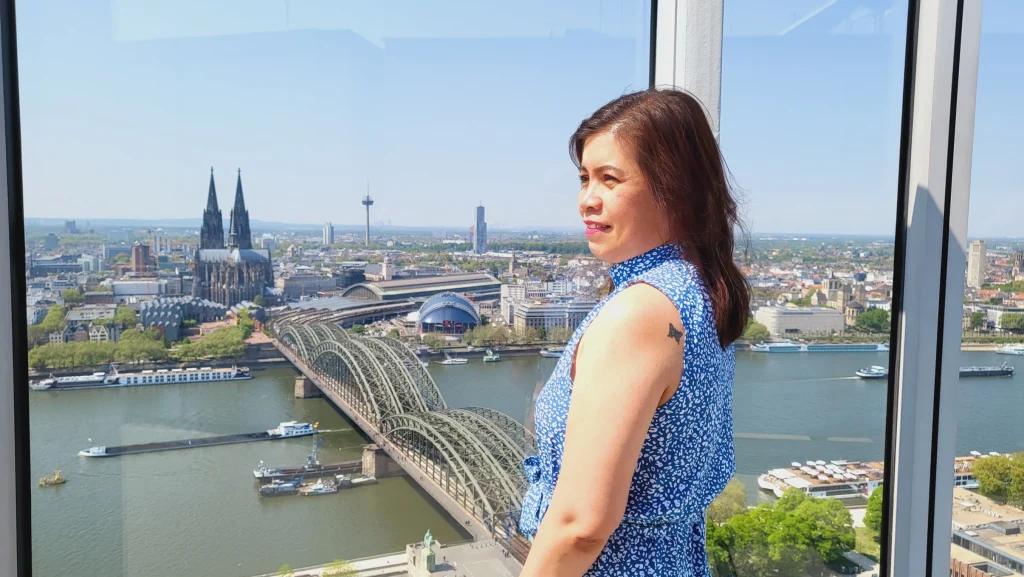
Cologne (German: Köln, Ripuarian: Kölle) is a city on the Rhine river in North Rhine-Westphalia. It is the fourth largest city in Germany with around one million residents. It is one of the nation's media, tourism and business hotspots, and is considered one of the most liberal cities in Germany.
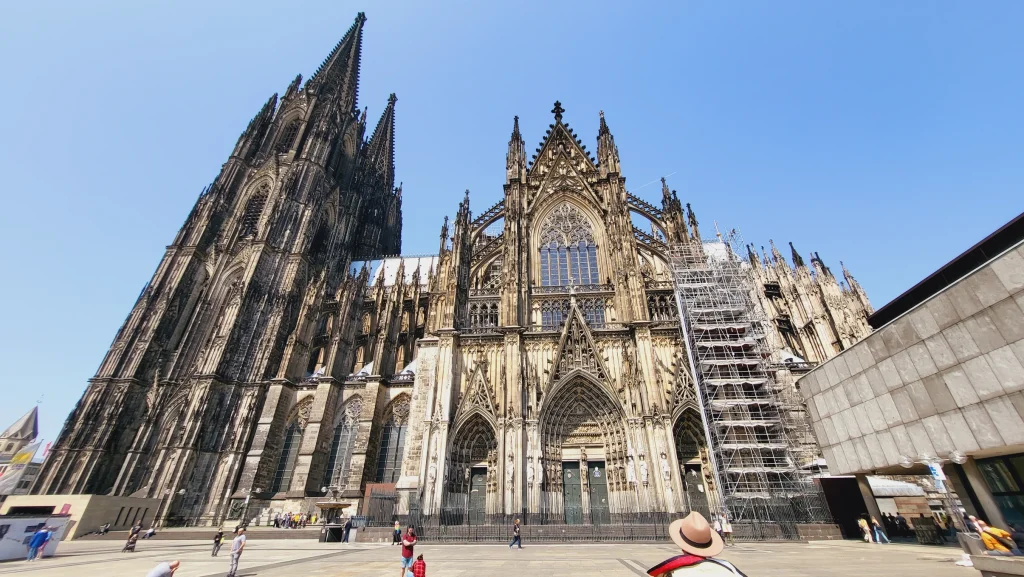
Cologne has a rich history, reaching back to the time of the ancient Roman Empire, when it was founded. It has remained a constantly inhabited important regional centre since. Compared to other German and European cities, the ancient and medieval Cologne was relatively large, covering most of the modern-day city centre. A wealth of architectural heritage can therefore be found across the city ranging from pre-Christian times to strikingly modern buildings, with a high concentration of Romanesque and Gothic architecture, culminating in the magnificent cathedral (Dom).
Cologne is, however, not only a tourist destination, but on an equal note a major economic centre, a globally important trade fair location, a culture and media hotspot and a major transportation hub. This equal mix of roles and functions is permeable throughout the city and provides it with a constant inflow of various visitors, as well as a very diverse population mix. This all culminates during the traditional Karneval, and makes Cologne one of the most-visited destinations in Germany.
Cologne is one of the oldest cities in Germany, having been founded and established in the 1st century AD, as the Roman Colonia Claudia Ara Agrippinensium. "Cologne" is the French version of the city's name, which has become standard in English as well. It has a traditional, strong rivalry with the neighbouring city of Düsseldorf, the capital of North Rhine-Westphalia, although this is mostly manifested by a number of jocular references made to one another in both cities and constant bickering as to whose local beer is best (in Cologne, it is obviously Kölsch). It was Germany's largest city at several points in history and for most of the Middle Ages it was the only place that would even register as a major city population-wise by modern standards. Today it is the fourth biggest city in Germany (after Berlin, Hamburg and Munich) and the biggest that is neither city state nor state capital. Its population is almost 1.1 million people (2017).